
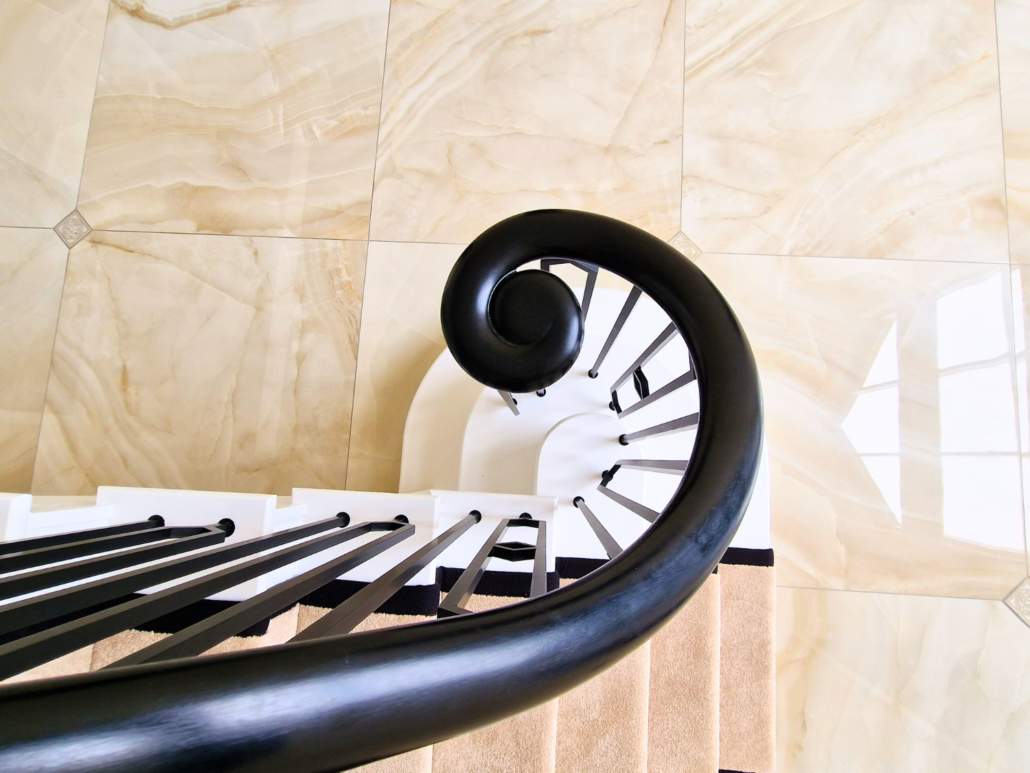
How to clean wooden handrails the right way
Maintaining your wooden handrails makes them look good and helps keep them clean and hygienic to use. After all, handrails are high-touch surfaces, making them a natural breeding ground for all sorts of bacteria and viruses. Regular cleaning and disinfection help reduce the spread of germs and keep your handrails looking well cared for.
Cleaning wooden handrails properly means removing dirt and bacteria without damaging the finish. This is especially important during staircase cleaning, as the handrail is handled constantly and often shows wear faster than the steps themselves. When cleaning stairs, paying attention to these high-touch surfaces helps prevent a build-up of dirt and oils over time.
Know your wooden handrail finish
Wood comes in all shapes, sizes, colours and finishes – and your handrail won’t be an exception. Different finishes require different cleaning methods and products to avoid damaging the surface or causing discolouration.
When checking which finish you’re working with, always test in a small, hidden area and use only a minimal amount of liquid. Apply products to a cloth rather than directly onto the wood, and don’t allow moisture to sit on the surface.
Here’s how to identify the finish on your handrail:
Lacquered
A lacquered finish creates a smooth, sealed surface and is often associated with a glossy appearance, though matte versions are also common. It’s the go-to for a ‘thin film’ effect, or if you wish to add a tint of warmth to oak. If you want to test for a lacquer finish, apply a small amount of denatured alcohol to an inconspicuous area using a clean cloth. If the finish becomes dull or sticky, it’s likely lacquered.
Varnished
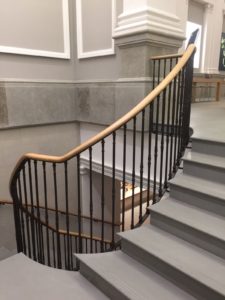
Varnished or shellac (French polished) wood often has a sealed, smooth appearance and can be more susceptible to surface scratching. To test for a varnished wooden handrail, apply a small amount of cleaning spirit to a hidden area using a clean cloth. If the finish becomes dull or sticky, it’s likely varnished or shellac.
Oiled
Oiled finishes have a natural, matte appearance and feel slightly rougher to the touch. To test for an oiled finish, apply a small amount of denatured alcohol to an inconspicuous area using a clean cloth. If the surface remains unchanged, the handrail has an oiled finish.

Waxed
Finally, waxed finishes have a soft, satin-like appearance and feel smooth. To test for a waxed finish, try scratching the surface gently with your fingernail. If a faint white line appears, the surface has been waxed.
Supplies needed to clean wooden handrails
To effectively clean and maintain your wooden handrails, you’ll need to gather a few essential supplies. It’s likely you’ll have most of these in your cupboard already!
-
- Microfibre cloths – effective at lifting dirt and oils without scratching the surface or leaving lint behind.
- Wood cleaner – choose one that’s suitable for the type of wood and finish on your handrail.
- Disinfectant spray or wipes – useful for light disinfection before applying a wood cleaner.
- Soft-bristle brush – helpful for cleaning joints, grooves, or detailed areas without damaging the finish.
- Bucket of clean water – for dampening cloths, rinsing, or diluting cleaning products if required.
- Vacuum with attachments – a soft brush attachment works well for removing loose dust and grit.
- Rubber gloves – optional, but useful for protecting your hands during cleaning.
The best way to clean wood handrails
1. Give it a dust
Use a vacuum with an attachment to remove loose dirt, particularly in hard-to-reach areas, then wipe the surface with a microfibre cloth. Pay extra attention to any crevices or intricate details.
2. Disinfect
Using a clean, damp microfibre cloth or an antibacterial wipe, wipe down the full length of the wooden handrail and balustrades. Make sure the cloth is not dripping wet, as excess moisture can seep into the wood and cause damage over time.
3. Spot clean
If you notice stubborn marks, scuffs, or stains, deal with them individually using a suitable wood cleaner. Wipe the area again with a clean, damp cloth, then dry thoroughly with a dry microfibre cloth.
4. Buff the surface
To restore an even finish, buff the handrail with a dry microfibre cloth. If appropriate for the finish, a small amount of wood polish or conditioner can be used. Always buff in the direction of the wood grain using light pressure.
Wooden banisters – meaning the handrail and the supporting spindles or uprights – are cleaned using the same general approach. It’s still important to remember that different parts of a staircase are sometimes finished differently.
Handrails are often sealed or oiled for durability, while spindles may be painted, varnished, or finished with a different product altogether. Before cleaning, check the finish on each element and adjust your cleaning products and pressure accordingly. Use soft cloths and take extra care around joints and fixing points where water can collect when cleaning stairs.
How to clean wood stairs
When cleaning a full staircase, it’s best to treat the handrail and steps as part of one routine rather than separate jobs. A consistent top-to-bottom approach prevents dirt and moisture from transferring onto areas you’ve already cleaned.
Start at the top of the staircase and work your way down. Before wiping anything, vacuum the steps thoroughly using a soft brush attachment to remove grit and debris. This is an essential step when cleaning wood stairs, as trapped grit can scratch the surface if it’s dragged across the wood.
Once the steps are free from loose dirt, wipe each tread with a lightly damp cloth, following the grain of the wood. Avoid soaking the surface – excess water can seep into joints or between boards and cause swelling over time. Dry each step immediately after wiping to prevent water marks and reduce slip risk.
This same method applies whether you’re cleaning a wood staircase for the first time or maintaining it. Keeping moisture controlled and removing grit first makes a significant difference to how long the wood finish lasts.
What cleaning products are safe for wooden handrails?
When it comes to cleaning wooden handrails, the products you use can make a big difference in maintaining the beauty and integrity of the wood. However, the wrong cleaning solutions can strip away the finish, leaving the handrail vulnerable to damage and discolouration. It’s essential you choose the right products based on the type of finish on your wooden handrails.
Lacquer and varnish finishes
- Mild soap and water
- Diluted vinegar
- Gentle wood cleaners specifically designed for lacquer and varnish finishes
Oil or wax finishes
- Mild soap and water
- Suitable oils, such as mineral or lemon oil, used sparingly
- Wood cleaners designed specifically for oiled or waxed wood
If you’re cleaning wood stairs at the same time, always match the cleaning product to the finish on the treads as well as the handrail to avoid uneven wear or discolouration.
Products to avoid when cleaning wooden handrails
Do not use anything with bleach, ammonia-based cleaners, or acetone, as these are too harsh for wooden handrails. Scourers and abrasive cleaning tools should also be avoided, as they can strip away the protective surface. Some furniture polish may also not be suitable for your wooden handrails due to the use of additives that may damage the wood.
If you’re unsure whether you should use a certain cleaner, always test it on a small area that isn’t as visible to others.
Common mistakes when cleaning wooden handrails
Cleaning any kind of high-quality wood requires a high level of care. Always avoid using harsh chemicals (like the ones listed previously), as these can completely damage the wood’s finish.
Another common mistake when cleaning stairs is rushing straight to wiping without first removing loose debris, which can lead to surface scratches on both steps and handrails.
While finished wood generally has some moisture resistance, long-term contact with water can cause it to swell, warp, or rot. When cleaning, work on small areas and wipe away standing water straight away. Don’t soak a wooden handrail or leave it wet for extended periods.
The coating on wooden handrails protects the wood underneath, but just like using harsh chemicals, too much scrubbing or the use of rough brushes can wear it away. Use a soft cloth or sponge and gentle pressure to avoid scratches or a dull appearance. After cleaning, dry the handrail thoroughly with a clean, soft cloth. Any water left behind can cause staining and, in some cases, mould growth.
Lastly, if your wooden handrail is in an area with a lot of sunlight, you’ll need to maintain the colour and finish more regularly, as prolonged UV exposure can cause the wood to fade, dry out, and become brittle. Where possible, reduce direct sunlight by closing curtains or blinds during peak hours. Sun-exposed areas may also need recoating more often than handrails in shaded areas.
How often should I clean my wooden handrails?
To keep wooden handrails clean and in good condition, aim to wipe them down weekly. A more thorough clean once a month helps remove built-up grime and maintain the finish over time.
If your staircase sees heavy daily use, particularly in family homes, lightly vacuuming the steps more often helps prevent grit from building up. This reduces surface wear and makes deeper cleaning of wood stairs easier and more effective when needed.
Can I use vinegar to clean my wooden handrails?
Yes, but with caution. Undiluted white vinegar can damage the finish of a wooden handrail, so it should always be diluted before use and applied sparingly with a cloth rather than directly to the surface.
Should I sand or refinish my wooden handrails myself?
If your wooden handrails are looking worn or dull, refinishing may be needed. While this can be done as a DIY project, it’s a delicate process and easy to get wrong. To avoid damaging the existing finish or the wood itself, it’s often best to consult a professional for advice or support.
If you do plan to take on handrail or staircase refurbishment yourself, our guide on how to refurbish stairs explains the process in more detail. It covers both repair and full refurbishment, with a focus on working safely.
How to clean sticky wooden handrails
Sticky residue on wooden handrails is often caused by a build-up of hand oils or cleaning products. In most cases, following the same cleaning steps outlined above will be enough to remove it.
For more stubborn patches, use a solution of equal parts white vinegar and water. Apply it sparingly with a soft cloth, wipe the area clean, and dry the surface thoroughly.
In more extreme cases, sanding and refinishing the handrail or balustrade may be needed. If you want to clean sticky wooden handrails without sanding, try the method above first, as many residues can be removed with careful cleaning.
We hope this guide has helped explain how to clean and care for wooden handrails properly. If you’d like advice on your handrail or want to learn more about our bespoke wooden handrails and balustrades, you can contact us to book a consultation.


Leave a Reply
Want to join the discussion?Feel free to contribute!