
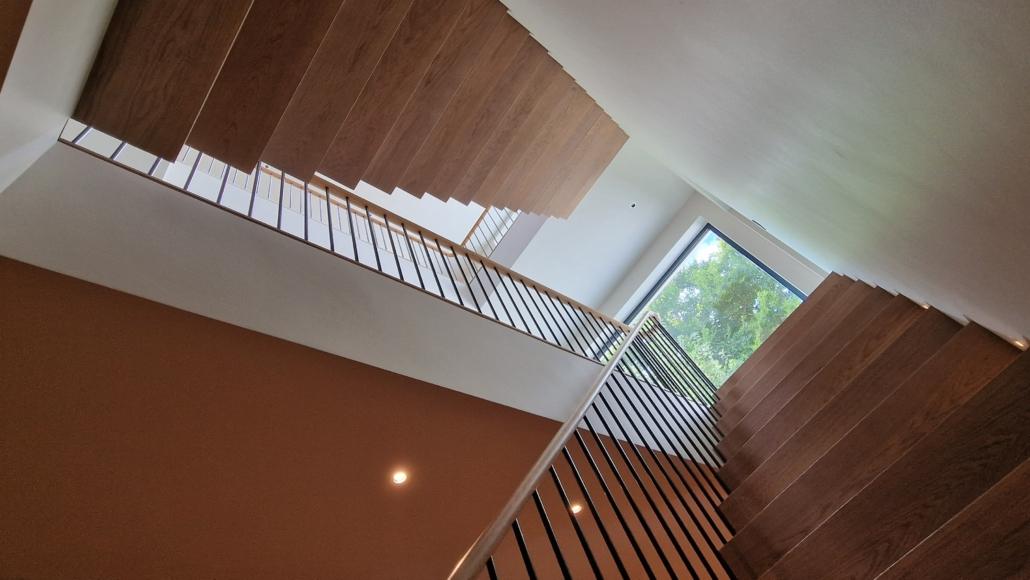
What is the best wood for wooden handrails?
When planning a staircase upgrade or new installation, one of the most common questions is: what is the best wood for handrails? The honest answer is, there isn’t a single “best” option. The right wooden handrail depends on your space, budget, and how the handrail will be used. From busy interior handrails exposed to constant wear and tear, to outdoor stair railing facing harsh weather conditions, each project has different demands.
In this guide, we’ll explore the most common wood types, their pros and cons, and help you determine the best wood for handrails based on your specific project, while highlighting why premium hardwoods remain the preferred choice for long-term quality.
Why wood choice matters for handrails
A handrail is both a design feature and an essential safety component. It must meet building codes, provide reliable safety features, and complement your overall interior design or exterior style. The right timber should offer:
- Strong abrasion resistance for high foot traffic
- Good moisture resistance depending on environment
- Long-term durability with minimal maintenance
- A finish that enhances your desired design aesthetic
Understanding the strengths and limitations of different wood species is key to making the right decision.
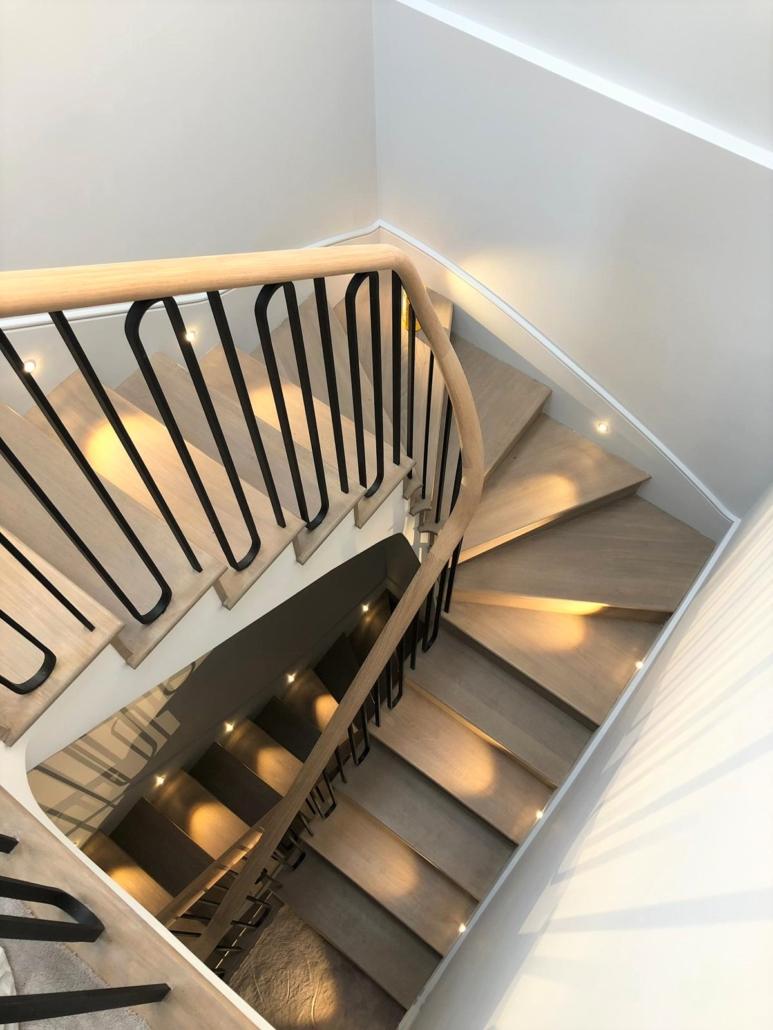
Premium hardwood options for bespoke handrails
At Handrail Creations, we work exclusively with carefully selected hardwoods, chosen for their strength, grain quality, and finishing capabilities. These materials are ideal for precision manufacturing and high-end results.
European oak
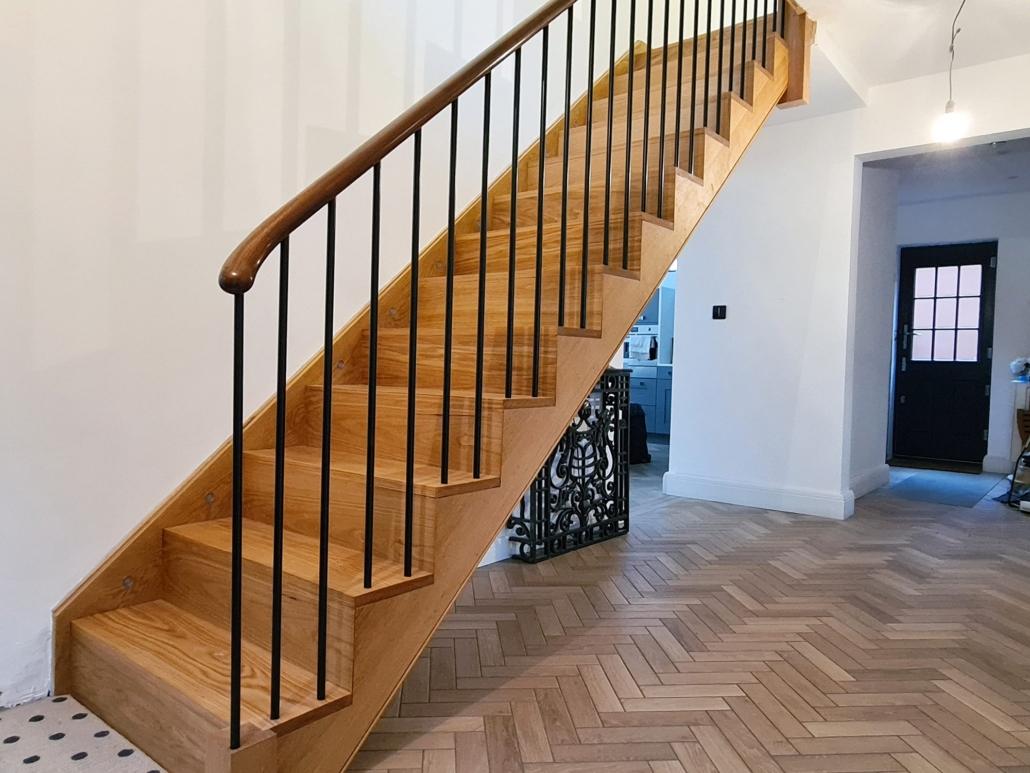
European Oak is widely regarded as one of the most reliable choices when considering the best wood for handrails, particularly for interior applications. Its dense structure provides excellent durability and strong abrasion resistance, making it well suited to staircases that experience regular foot traffic and daily wear and tear. Visually, oak offers a distinctive grain that brings warmth and character to both traditional and contemporary interiors. While it sits at a higher price point than some alternatives, its long lifespan and consistent performance make it a dependable, long-term investment for bespoke wooden staircases.
American black walnut
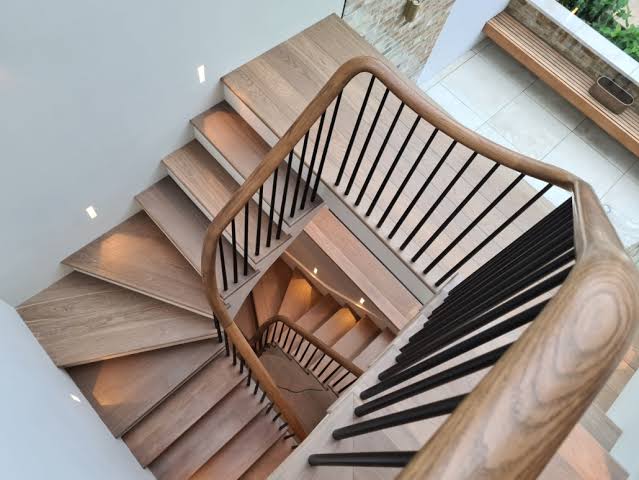
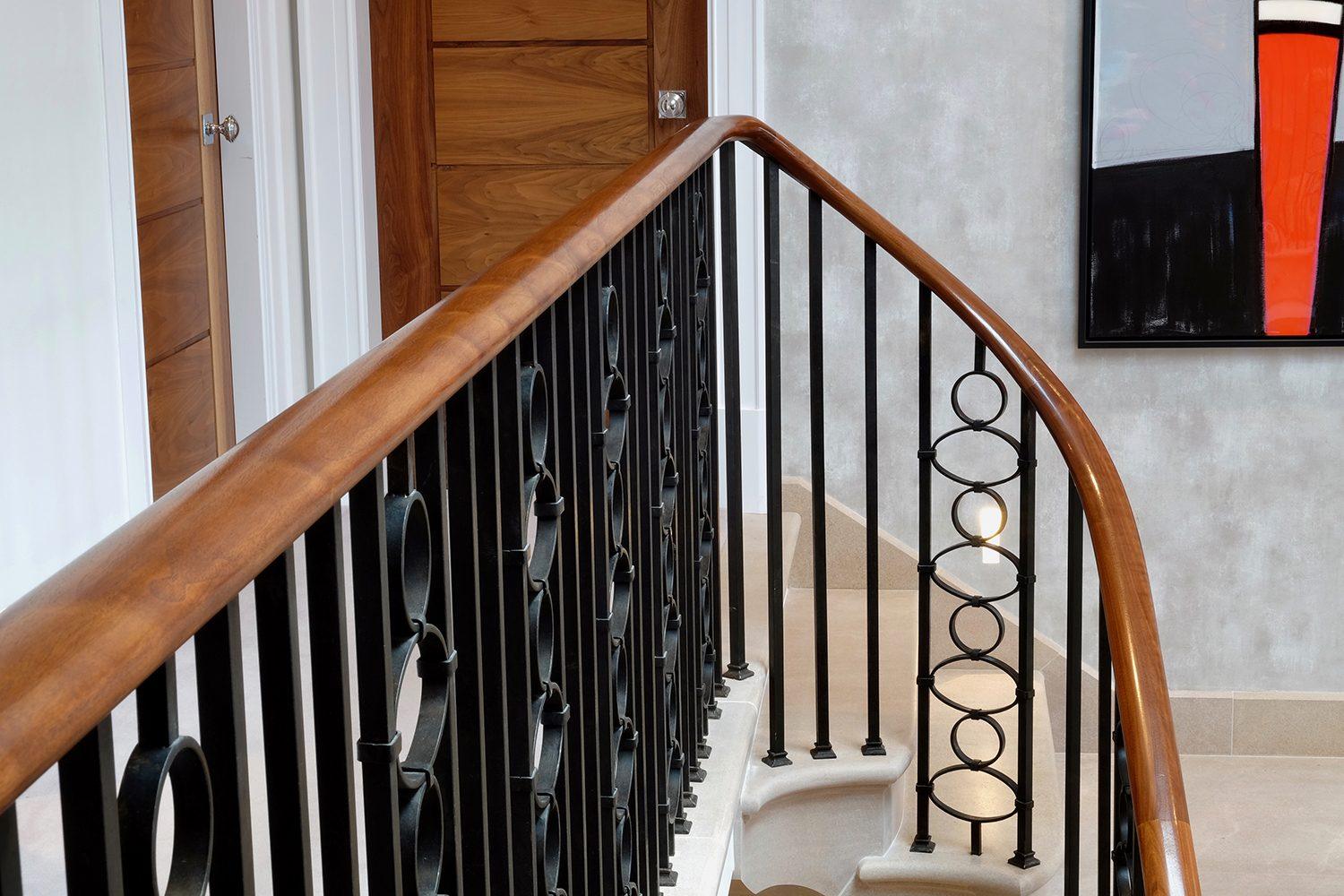
For those looking to create a striking architectural feature, American black walnut offers a more luxurious option. Known for its deep, chocolate-brown tones, walnut introduces a sense of richness and depth that elevates the overall design aesthetic of a staircase. The smooth grain structure allows for exceptional finishing, particularly when using wood oils, which enhance the natural colour and texture. Although slightly softer than oak, meaning it may show signs of wear more quickly in high-traffic areas, its visual impact makes it a popular choice for statement interiors where appearance is a key priority.
Ash
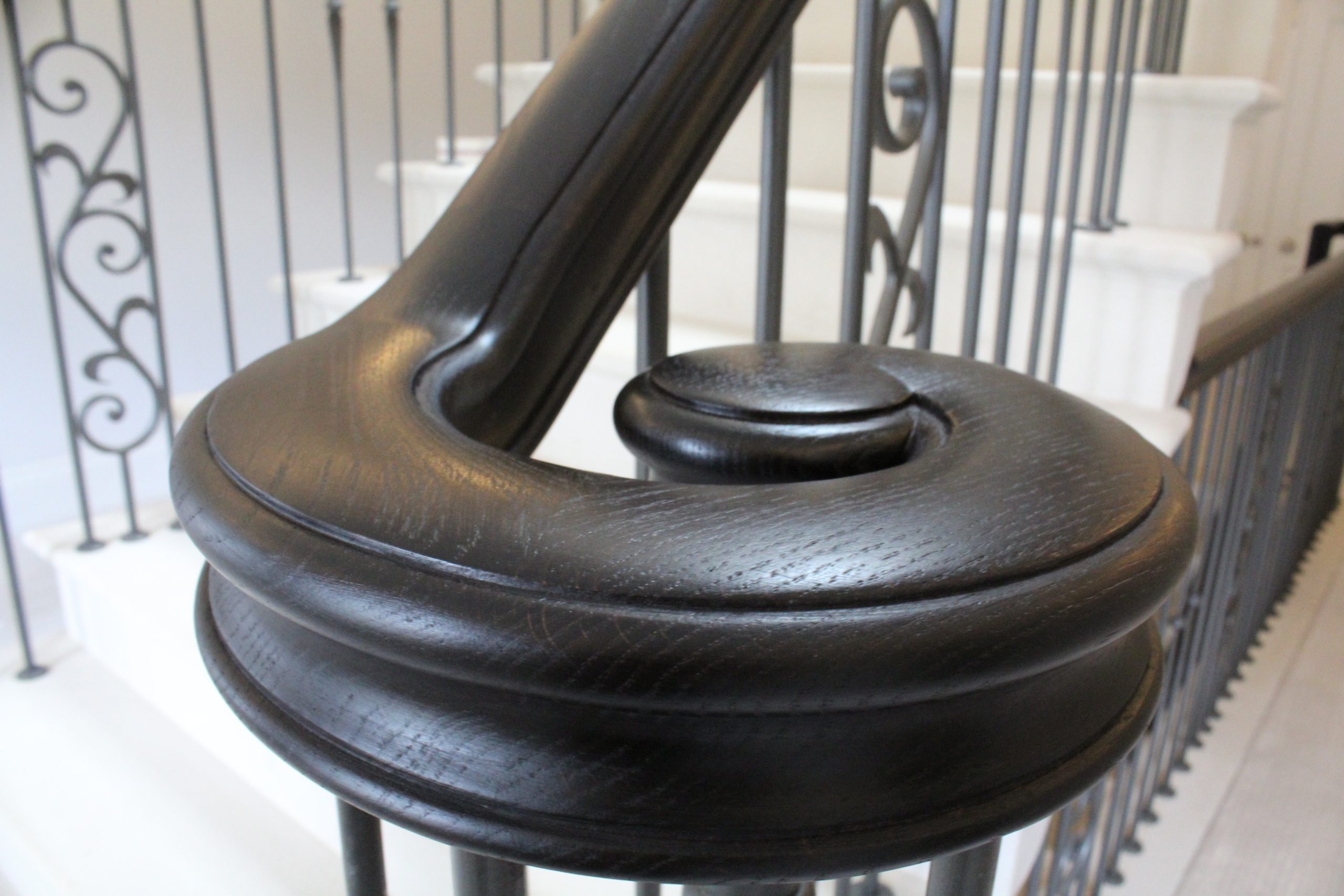
Ash is a highly versatile hardwood that bridges the gap between durability and flexibility in design. It offers a strong structure with a lighter tone, making it especially suitable for modern interior design schemes where a brighter, more open feel is desired. Its prominent grain responds well to wood stain and finishing treatments, allowing for effective colour matching with surrounding materials such as flooring or joinery. While ash performs well structurally, it benefits from appropriate finishing to enhance its moisture resistance and ensure long-term stability.
Sapele
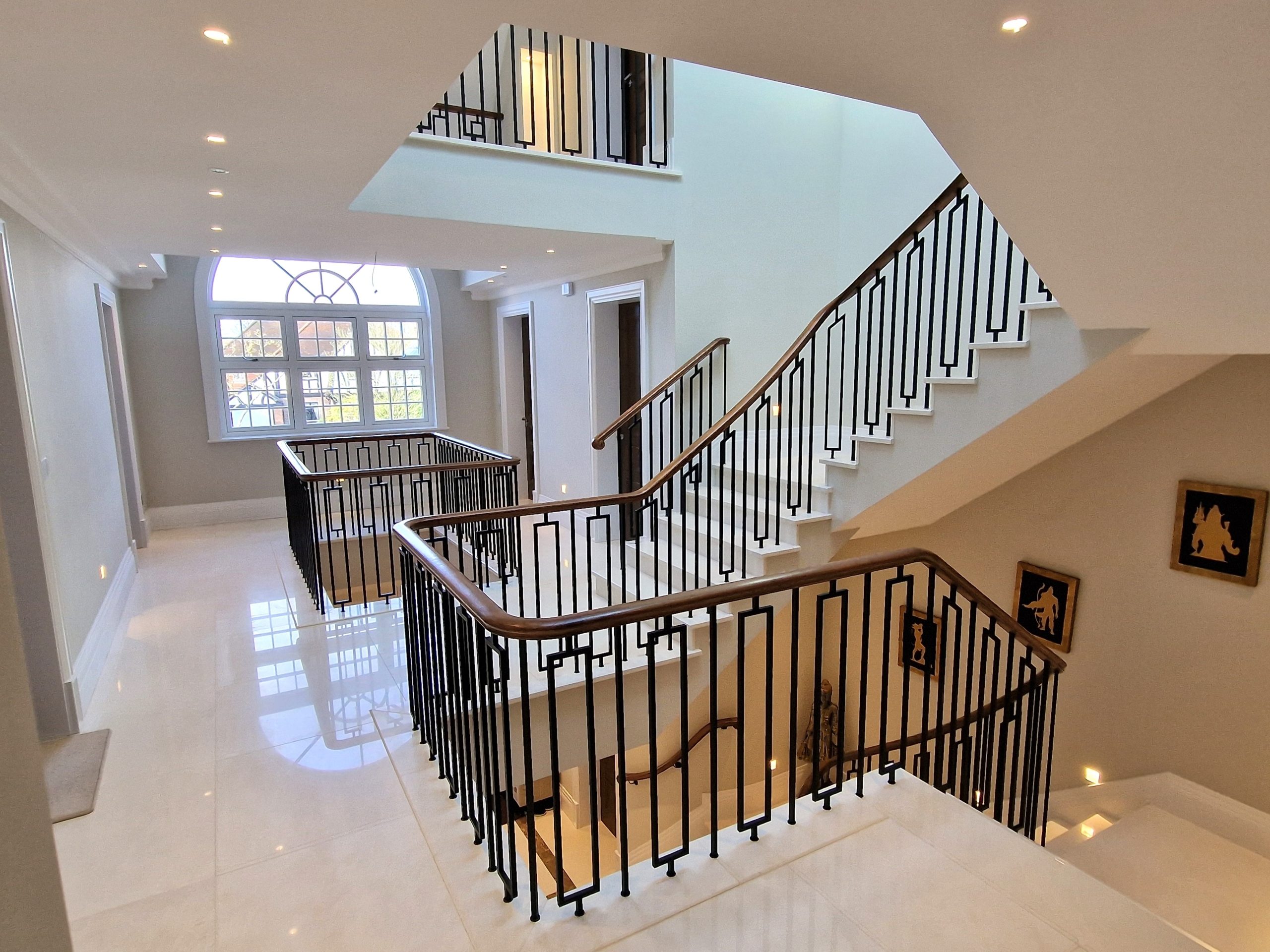
Sapele is often selected for projects where consistency and precision are key. This hardwood is known for its uniform grain and rich reddish-brown tones, which provide a refined and sophisticated finish. Its stability makes it particularly well suited to complex handrail designs, including curves and continuous profiles, where accuracy is critical. Sapele also responds exceptionally well to specialist finishing techniques such as French polishing, resulting in a smooth, high-quality surface. While its appearance is more distinctive than oak, it remains a popular choice for bespoke handrails.
Maple & Beech
For more minimalist interiors, maple and beech wood offer a clean and understated aesthetic. These pale hardwoods are valued for their smooth, consistent grain, which creates a sleek, modern finish that works well in contemporary spaces. They are particularly suited to finishes such as high-gloss lacquer, where a uniform surface is essential to achieving the desired finish appearance. Although they lack the pronounced grain patterns of oak or walnut, their simplicity allows them to integrate seamlessly into modern home decor, especially where subtlety and precision are key design considerations.
What is the best finish for wood handrail?
Choosing the best finish for wood handrail depends on how the space is used, the desired finish appearance, and the level of protection required. Below are the main options to consider:
Wood oils
Wood oils are ideal for enhancing the look of natural wood, allowing the grain to remain visible and tactile. They provide a breathable, low-build finish that is easy to maintain, making them a popular choice for high-end interior handrails where a natural aesthetic is preferred.
Wood stains & protective coatings
Wood stain is perfect for achieving precise colour matching with flooring or surrounding interiors. These finishes enhance the timber while adding a layer of protection against surface wear, making them a versatile option for both design flexibility and durability.
Lacquers & specialist finishes
For areas with heavy foot traffic, lacquers and varnishes offer superior abrasion resistance and long-lasting protection. Available in a range of gloss levels, from matte to high-shine, they create a more sealed surface that requires minimal ongoing maintenance.
Craftsmanship matters as much as material
While choosing the best wood for handrails is important, the quality of design and manufacture is just as critical. At Handrail Creations:
- Every handrail is digitally modelled before production
- Components are pre-jointed and pre-assembled for accuracy
- Advanced CNC machining ensures precision down to fine tolerances
- Installation is handled by the same expert team from start to finish
This level of control ensures that even the most complex curved or helical handrails achieve a seamless, continuous flow.
Why hardwood is the preferred choice for bespoke handrails
Although there is no single “best wood for handrails”, premium hardwoods consistently deliver the best results for bespoke projects. Compared to softer or standardised materials, hardwoods offer:
- Greater durability and resistance to wear and tear
- Superior finish quality and design aesthetic
- Better performance in detailed shaping and machining
- Long-term value with reduced maintenance requirements
This is why Handrail Creations works exclusively with sustainably sourced, prime-grade hardwoods, ensuring every project meets the highest standards.
If you’re planning a staircase project or looking to choose the best wood for handrails, our expertise ensures you select a solution that enhances both performance and design. Speak to our team today to find the right timber and finish for your bespoke handrail.

Leave a Reply
Want to join the discussion?Feel free to contribute!