
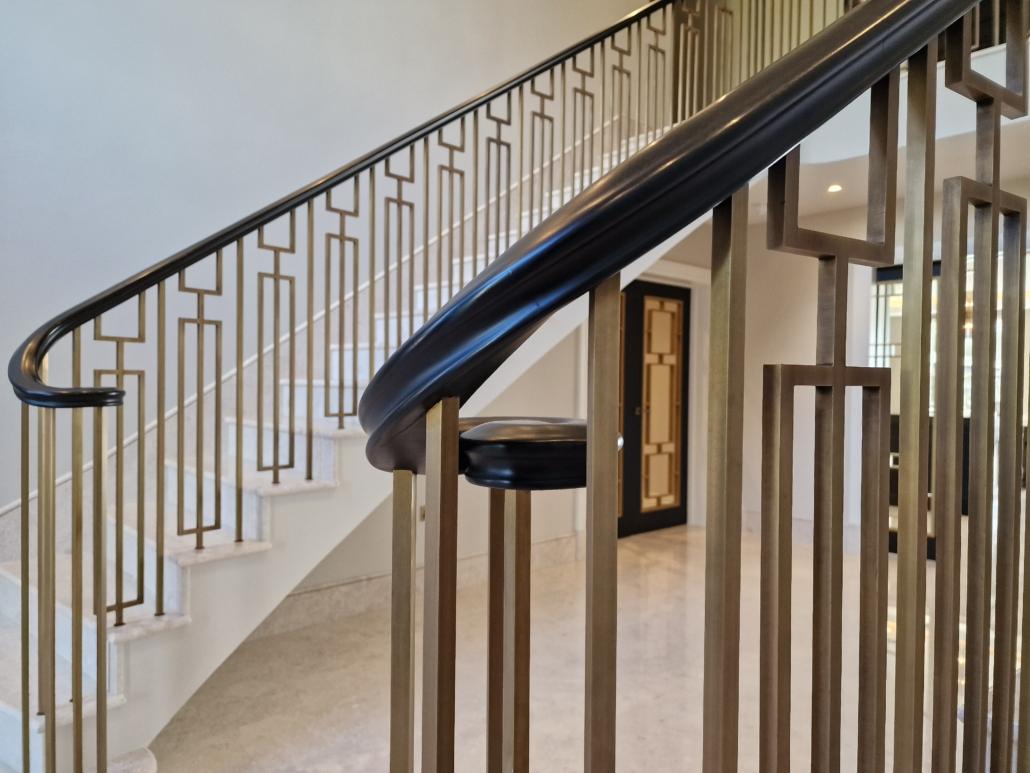
Mistakes to avoid in handrail & stairs design
A well-designed staircase should do more than simply connect two floors. The right handrail & stairs design can improve safety, enhance the flow of a space and become a striking architectural feature within a property.
However, poorly planned staircases and handrails can quickly create both visual and practical problems. From incorrect proportions to unsuitable materials, even small design decisions can impact the finished result.
At Handrail Creations, we specialise in bespoke staircase manufacturing for residential and commercial projects across the UK. Over the years, we’ve seen how thoughtful stair & handrail design can completely transform a staircase, and how avoidable mistakes can compromise both appearance and usability.
Here are some of the most common mistakes to avoid when planning a staircase and handrail project.
1. Ignoring building regulations and safety requirements
One of the biggest mistakes in handrail stairs design is focusing entirely on appearance without considering safety and compliance.
In the UK, staircases and handrails must meet specific building regulations relating to:
- Handrail height
- Balustrade spacing
- Structural stability
- Stair pitch
- Accessibility
A staircase may look visually impressive, but if the proportions or handrail positioning are incorrect, it can create safety risks and expensive alterations later in the project. Working with experienced staircase specialists from the beginning helps ensure your design balances aesthetics with functionality.
2. Choosing the wrong handrail shape or profile
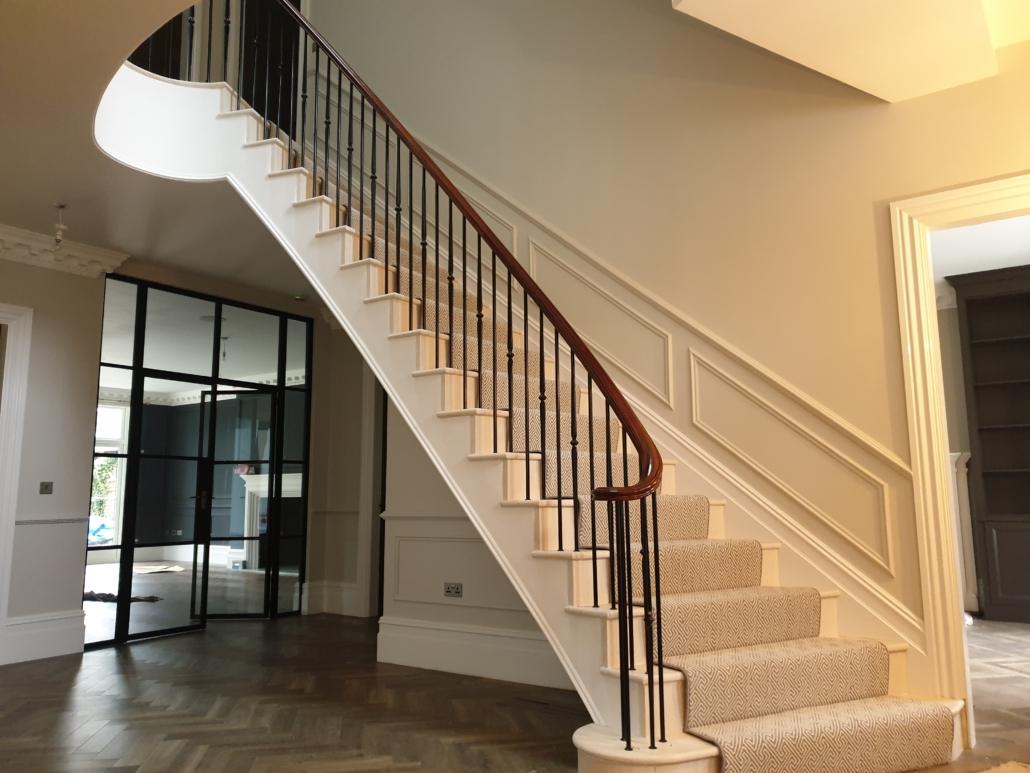
The shape and profile of a handrail have a major impact on both comfort and appearance. A handrail that is too bulky, too narrow or poorly positioned can feel awkward to use and disrupt the overall flow of the staircase.
When planning stair & handrail design, it’s important to consider:
- How the handrail feels in the hand
- The scale of the staircase
- The interior design style
- The transition between straight and curved sections
Bespoke timber handrails allow for greater flexibility, particularly in luxury or period properties where custom detailing is required.
3. Overlooking flow in curved staircases
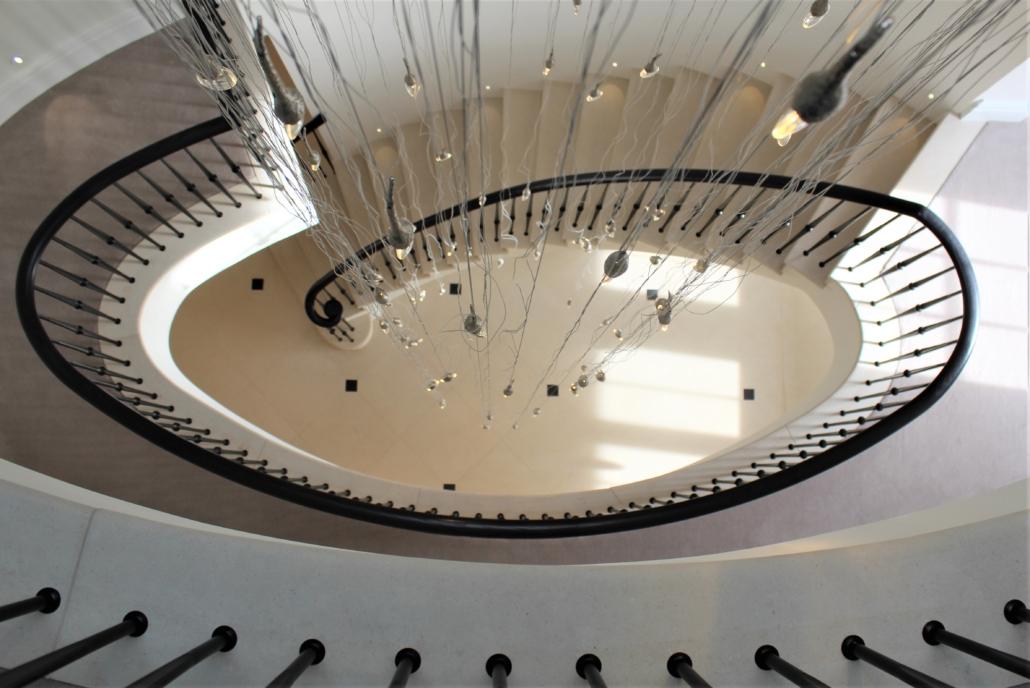
Curved staircases require careful planning and precision manufacturing. One of the most common issues we see is inconsistent geometry between handrail sections, which can interrupt the natural movement of the staircase. Features such as:
- Volutes
- Swan necks
- Wreaths
- Continuous handrails
must all work together seamlessly to create a smooth transition throughout the staircase. Using advanced CNC machining and 3D design technology allows curved timber handrails to be manufactured with exceptional accuracy while maintaining a clean, continuous finish.
4. Using materials that don’t suit the property
Material selection plays a huge role in staircase design. Choosing a timber or finish that clashes with the property can make even a well-built staircase feel out of place. For example:
- European Oak works well in both contemporary and traditional interiors
- Walnut creates a darker, more luxurious appearance
- Mahogany is often used in heritage or decorative projects
The best stair handrail design considers the wider interior architecture, flooring, lighting and joinery throughout the property. For further information on selecting your material, check out our article on the different hardwood options for handrails.
5. Prioritising trends over longevity
Minimalist staircases and ultra-modern designs can look impressive initially, but some staircase trends may date quickly or become impractical over time.
A staircase is a long-term architectural feature, so it’s important to focus on timeless craftsmanship and durable materials rather than short-lived design trends.
At Handrail Creations, we combine traditional woodworking techniques with modern manufacturing technology to create bespoke handrails designed to last for generations.
6. Poor installation planning
Even the highest quality staircase components can underperform if installation is not properly considered during the design stage.
Common issues include:
- Incorrect site measurements
- Uneven wall positioning
- Poor joins between handrail sections
- Insufficient structural support
This is particularly important for curved staircases and continuous handrails, where precision alignment is essential. Using digital surveying and 3D scanning technology helps minimise installation issues and ensures each component is manufactured accurately before arriving on site.
7. Forgetting about craftsmanship and finishing details
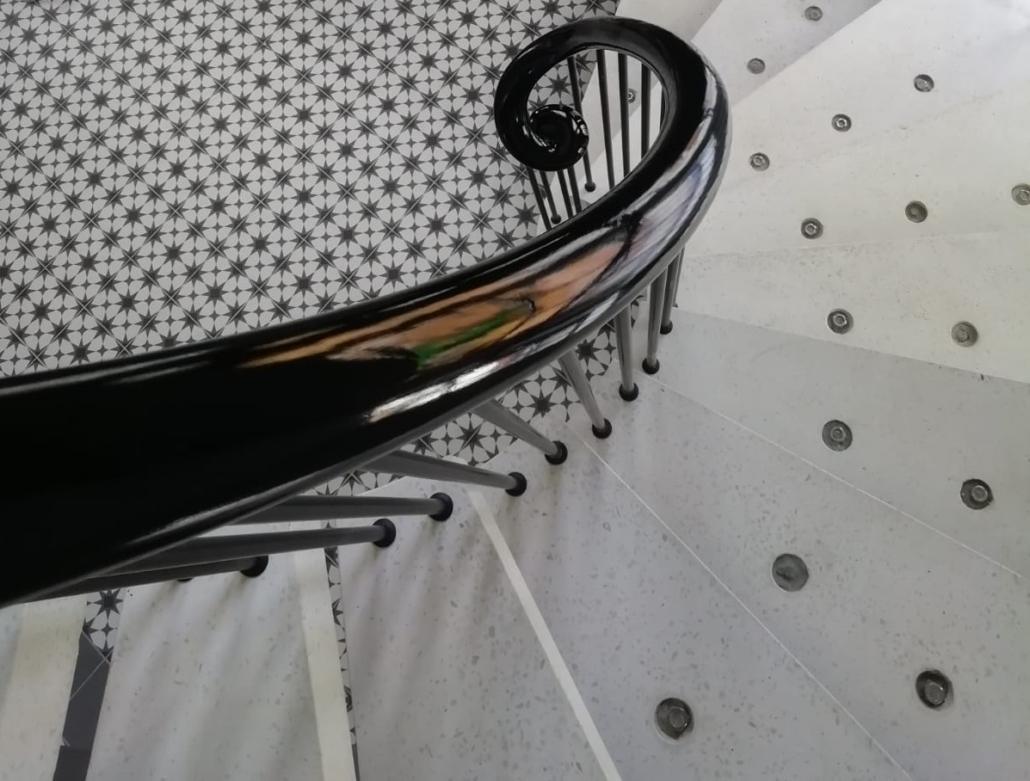
Small finishing details often make the biggest difference in premium staircase projects. Hand-carved features, polished transitions and carefully matched timber grain all contribute to the final appearance.
A staircase should feel cohesive from every angle, with each detail complementing the wider design of the property. Combining CNC precision with expert hand-finishing allows for both consistency and individuality, especially in bespoke residential and heritage projects.
Why professional stair handrail design matters
A staircase is one of the most used architectural features within a property, so investing in thoughtful handrail stairs design is essential for both safety and aesthetics.
At Handrail Creations, we manufacture bespoke timber handrails and staircase components using a combination of advanced CNC machining, traditional craftsmanship and specialist installation expertise. Explore our residential gallery and commercial gallery to see how our bespoke stair handrail design solutions have been used across luxury homes, heritage properties and large-scale architectural projects throughout the UK.
From curved timber handrails to heritage restoration projects, our team works closely with architects, designers and homeowners to create staircases that are built to perform beautifully for years to come. Get in touch to discuss your project, or check out our blog for further advice and inspiration.

Leave a Reply
Want to join the discussion?Feel free to contribute!